
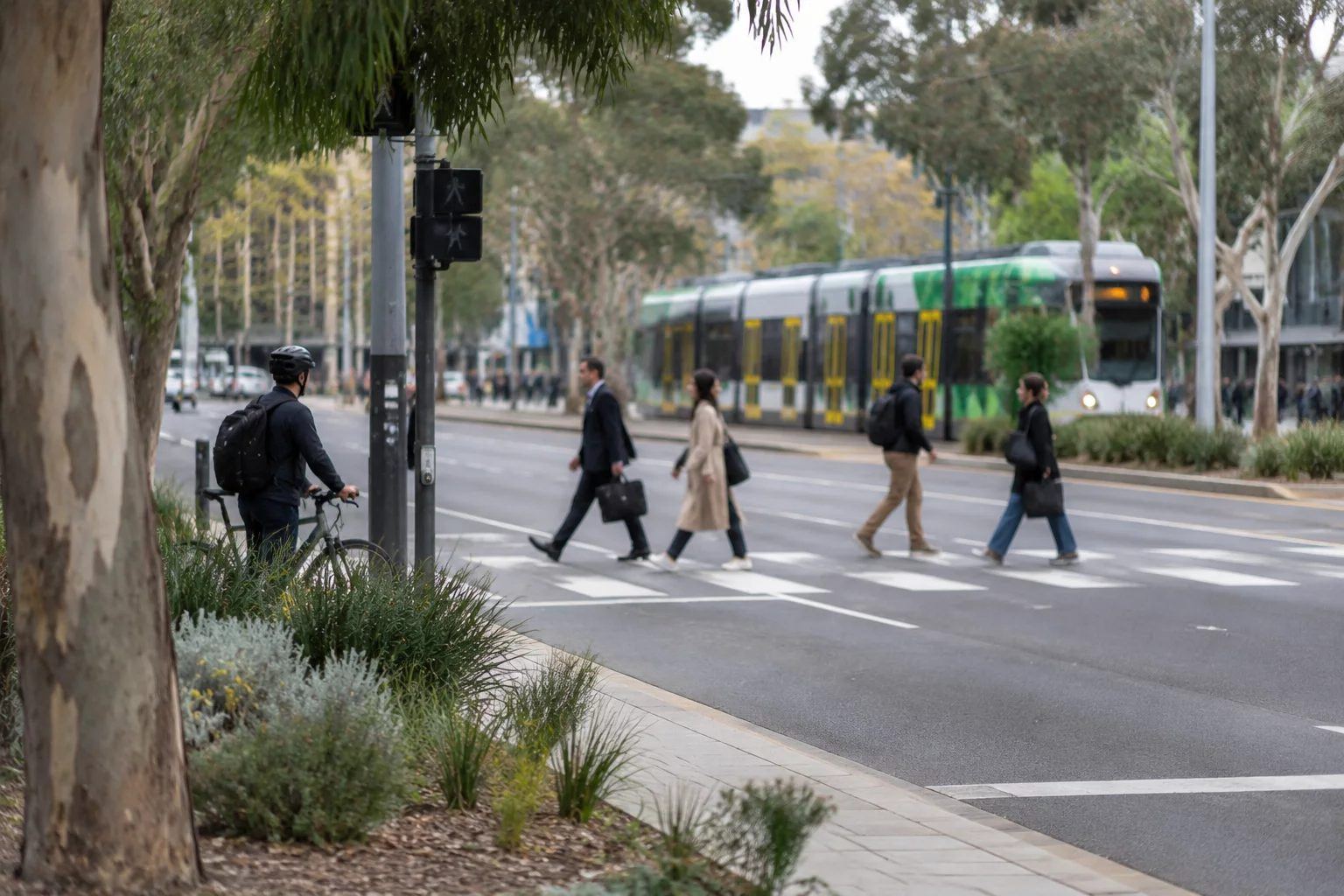
Start with a weekday in an ordinary suburb. A laptop sits open on the kitchen table, panels catch the morning sun above the garage, a parcel waits on the porch and the train or tram runs to a new timetable. Each of these scenes rests on a change that can be dated and measured. This special follows ten of them, one chapter each, and puts the year or period next to every number it uses.
The chapters run in this order: hybrid and flexible work, rooftop solar and home batteries, electric cars, metro lines and city transport, road trips and caravans, recycling, online shopping, streaming and connectivity, everyday sport and AI tools. Each chapter has three parts: what the change is and when it began, where it can be seen, and who it affects, followed by a short list of practical checks.
Ten changes you can already see in daily life
Filter the cards by theme, or scan all ten: each card shows the headline, where the change is visible and who it affects.
Hybrid work settles in, and so does the right to disconnect
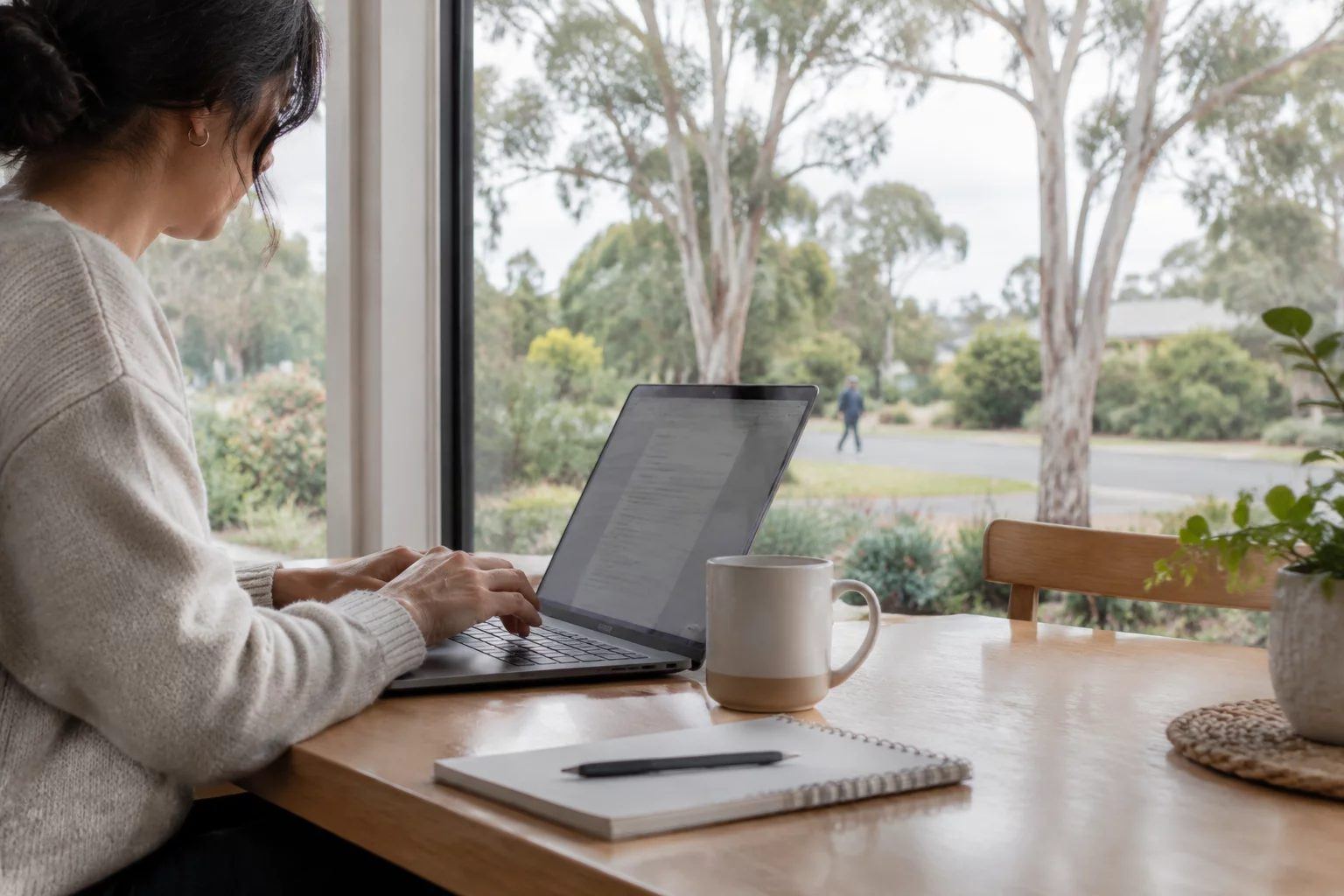
Working from home stopped being an experiment after 2020. In August 2025, 36% of employed people usually worked from home; the peak was 40% in August 2021, and from 1989 to 2008 the share sat at around 20 to 30%. The change is also about hours: 30% of employees had an agreement to work flexible hours in August 2025, and among people who work from home that rose to 47%, against 22% of those who do not.
The pattern follows the type of job more than the postcode. In August 2025, 59% of managers and professionals usually worked from home, against 21% of all other occupations, so hybrid arrangements are most visible in office towers and suburban home offices. The main reasons people gave in 2025 were working more flexibly or choosing their own hours (about 23%), running a business or holding a home-based job (about 22%) and catching up on work after hours (about 21%).
The right to disconnect started on 26 August 2024 for employees of businesses with 15 or more employees and on 26 August 2025 for small-business employees. It lets an employee refuse to monitor, read or respond to work contact outside working hours unless the refusal is unreasonable. What counts as unreasonable depends on the reason for the contact, how disruptive it is, pay for being available, the employee's role and personal circumstances such as caring duties.
Good to know
- Read the Fair Work Ombudsman pages on the right to disconnect and flexible working requests, then check what your award or agreement says.
- Disputes about unreasonable contact can go to the Fair Work Commission, which can make orders other than ordering payment of money.
- If you work from home, write down your agreed hours so any after-hours contact is easy to discuss with your employer.
Rooftop solar is routine, and the home battery is the new add-on
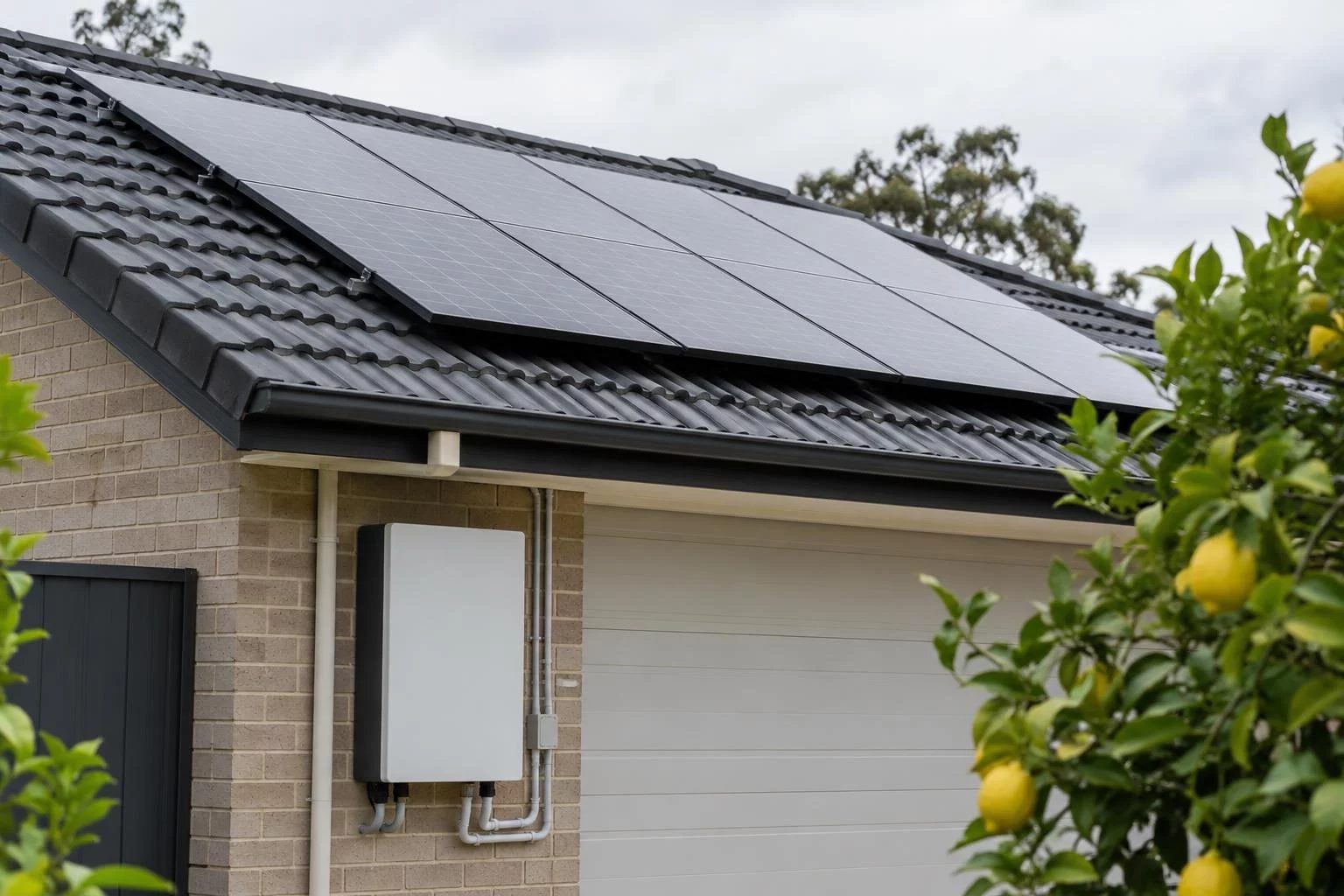
Small-scale solar became a normal sight on suburban roofs from about 2010. As at 31 August 2026, 4,532,178 small-scale solar systems with 30.6 GW of capacity were installed on Australian homes and small businesses; the figure counts systems, not households. The first quarter of 2026 set a quarterly record of 791 MW of new rooftop solar, even though installs slowed in 2025, when 229,000 systems were installed by 14 November, 19% fewer than in the same period of 2024.
South Australia has the highest uptake per person. At 12:00 on Saturday 4 October 2025 the National Electricity Market recorded an all-time low minimum operational demand of 9,666 MW, driven by rooftop solar, and rooftop output averaged a quarterly high of 4,407 MW in the final quarter of 2025. A first-quarter record followed: rooftop output averaged 4,090 MW in the first quarter of 2026.
Batteries are the newer story. More than 400,000 battery systems with 11.4 GWh of usable capacity had been validated or were pending by mid-May 2026, and 53% of batteries installed in the September quarter 2025 were added to existing solar systems without a solar upgrade. The Cheaper Home Batteries Program, which started on 1 July 2025, runs through the Small-scale Renewable Energy Scheme and is usually arranged through the installer; check eligibility before you commit.
Good to know
- If you are thinking about a battery, ask any installer to explain how the program is applied to your system before you sign.
- Eligible batteries are 5 to 100 kWh in size, with up to 50 kWh of usable capacity counted, and the product must be Clean Energy Council listed.
- Look at your inverter or app to see when the home uses power across the day; it shows patterns, not promises.
Electric cars grow, and a national efficiency standard shapes supply
More than 157,000 electric vehicles were sold in Australia in 2025, 38% more than in 2024: 103,300 battery-electric cars, the first time that type passed 100,000, and 53,484 plug-in hybrids. Electric vehicles took 13.1% of new car sales in 2025, up from 9.6% in 2024, with a monthly record of 16.7% in December 2025, and the electric fleet on the road passed 454,000.
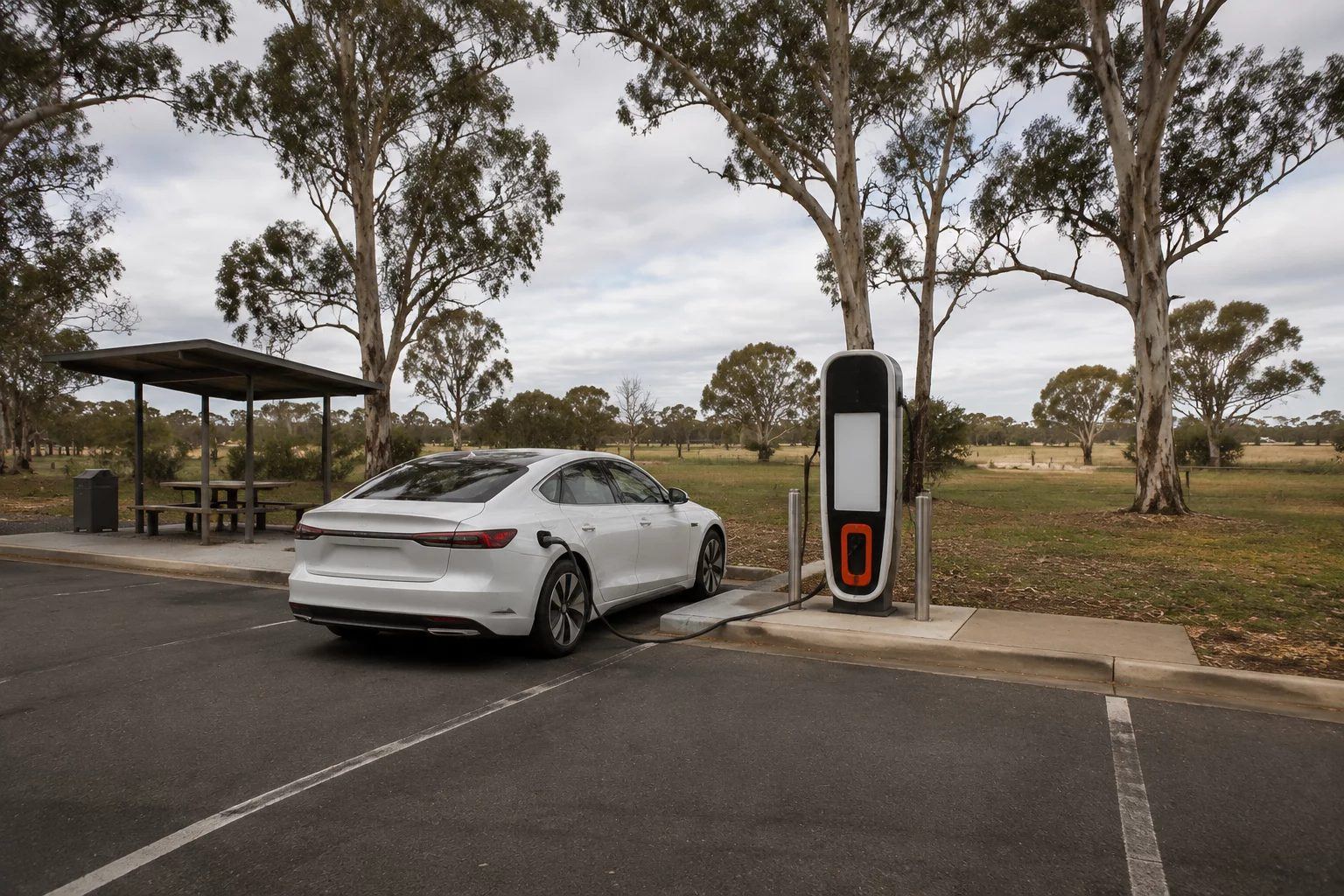
The ACT had the highest share, with about 26.3% of new car sales in the first half of 2025. Out on the highways, public fast charging grew by about 20% in locations in the 12 months to 30 June 2025, with regional travel a strong driver of demand, so the map of charging stops now stretches well beyond the capital cities.
The New Vehicle Efficiency Standard came into effect on 1 January 2025 under the New Vehicle Efficiency Standard Act 2024 (Cth), with CO2 targets for suppliers' new cars and light commercial vehicles applying from 1 July 2025. It does not ban any vehicle type: utes, SUVs and 4WDs are still sold, but suppliers offset them with more efficient models. In its first reporting period, 1 July to 31 December 2025, 59 regulated suppliers entered 620,947 vehicles and 12% were zero-emission.
Good to know
- Compare models on the federal Green Vehicle Guide, which lists fuel use, CO2 and electric range for new and used vehicles.
- Ask the dealer about home charging and about fast chargers along the regional routes you actually drive.
- Headline limits for cars and light SUVs fall from 141 g CO2/km in 2025 to 58 g/km in 2029; utes and vans go from 210 to 110 g/km.
Metro tunnels and a new airport change how Sydney and Melbourne move
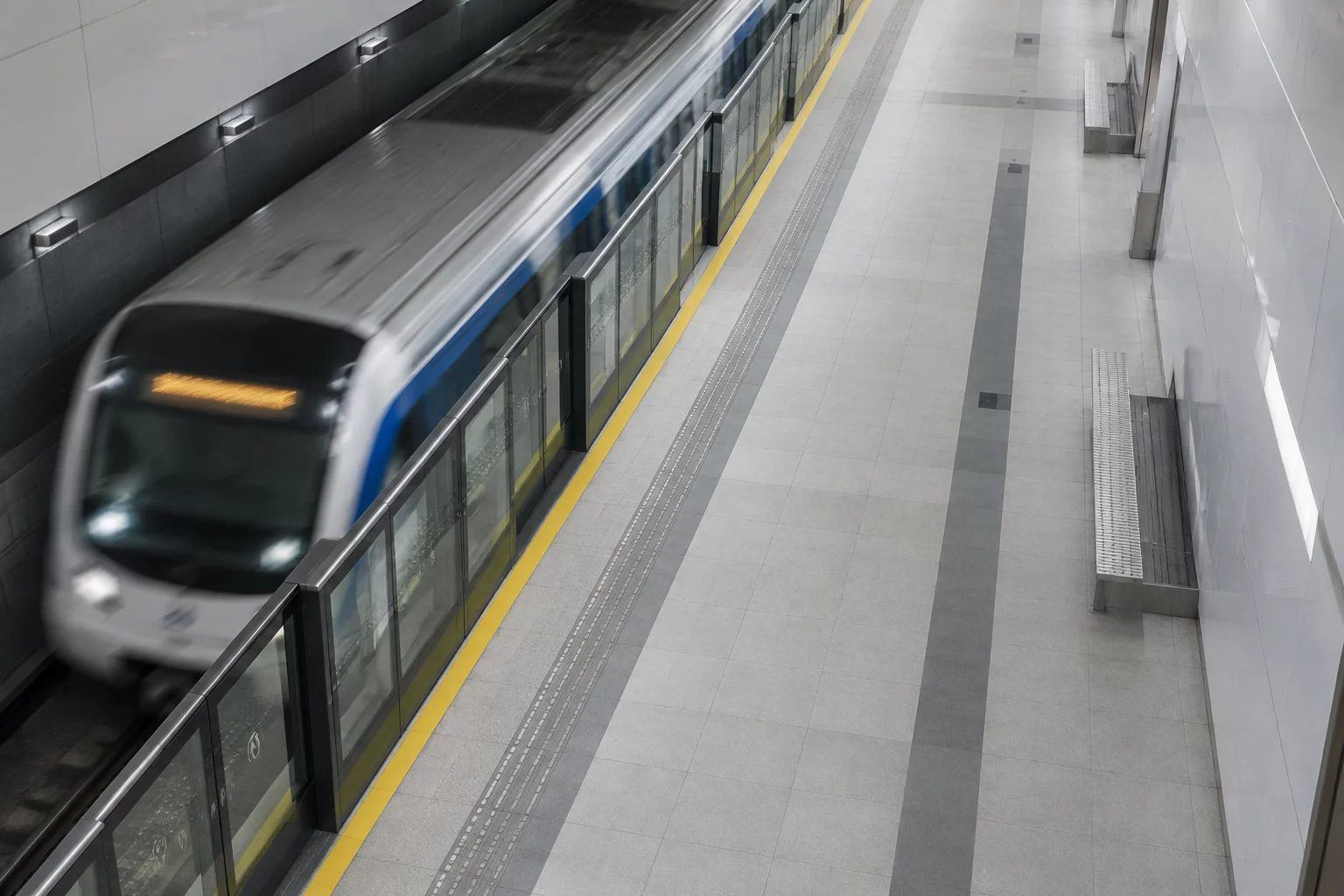
Sydney Metro City opened to passengers on 19 August 2024, linking Chatswood and Sydenham with new stations at Crows Nest, Victoria Cross, Barangaroo, Martin Place, Pitt Street, Central and Waterloo. About 1,042,000 passengers used it in the first five days, and more than 66.8 million journeys were taken on Sydney Metro services in the first year after Metro City opened.
Melbourne's Metro Tunnel opened on 30 November 2025 with twin 9 km tunnels and five new underground stations: Arden, Parkville, State Library, Town Hall and Anzac. On 1 February 2026 the Big Switch timetable began, sending Cranbourne, Pakenham and Sunbury line trains exclusively through the tunnel, returning Frankston line trains to the City Loop and adding more than 1,000 extra weekly services. Perth's Airport line opened on 9 October 2022 with three new stations.
Western Sydney International Airport takes its first passengers on 25 October 2026. For many people the car still dominates the trip to work: at the 2021 Census 4.6% of employed people (554,711) travelled to work by public transport and 52.7% by car only, down from 61.5% in 2016. Melbourne timetables changed this year, so a route you knew may now run differently.
Good to know
- Check the current timetable on your state transport site after the February 2026 Melbourne changes.
- Before a first Sydney Metro trip, look at the line map and station list on the Sydney Metro site.
- Check the airport's own page for transport options before the 25 October 2026 opening.
Road trips, caravans and camping stay close to home
Australians are taking shorter trips closer to home. In the June quarter 2026 there were 27.1 million domestic overnight trips (down 2% on the June quarter 2025) and 89.0 million nights (also down 2%), but day trips rose 8% to 74.2 million. Of those day trips, 37.9 million were for holidays, 22.8 million to visit friends and relatives and 5.1 million for business. From January 2025 a new survey replaced the older one and earlier figures were back-cast, so compare across the break with care.
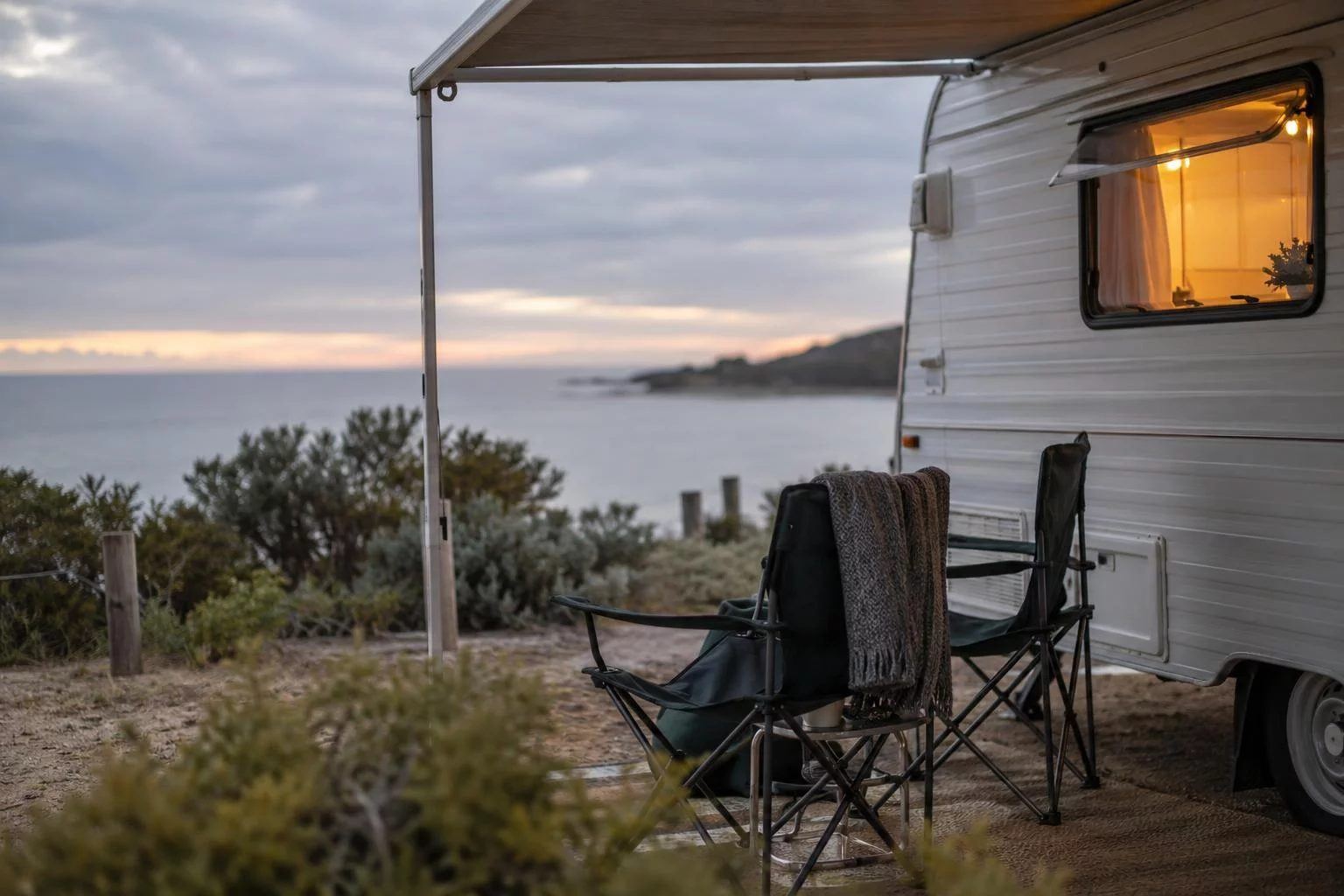
Caravans and camping keep their own following. Australians took 17.3 million caravan and camping trips in 2025, spending 57.9 million nights away and averaging 3.4 nights a trip, and 87% of those trips were in regional Australia. Regional Australia as a whole receives a large share of domestic travel, so campgrounds and caravan parks are where much of the change shows up.
Behind those trips is a fleet: the registered RV fleet rose 4% in 2025 to about 937,000, with over 817,000 towable and 119,000 motorised. Families and retirees are the travellers most often associated with these trips. Popular regional spots fill up, so booking early and checking road conditions before a long drive are habits worth keeping.
Good to know
- Check Tourism Research Australia or your state tourism site for trip ideas and for the latest regional visitor figures.
- Book popular regional campgrounds and caravan parks early.
- Check road conditions on your state's road authority site before a long drive, and again on the morning you leave.
Recycling habits: container refunds, plastic bans and food-scrap bins
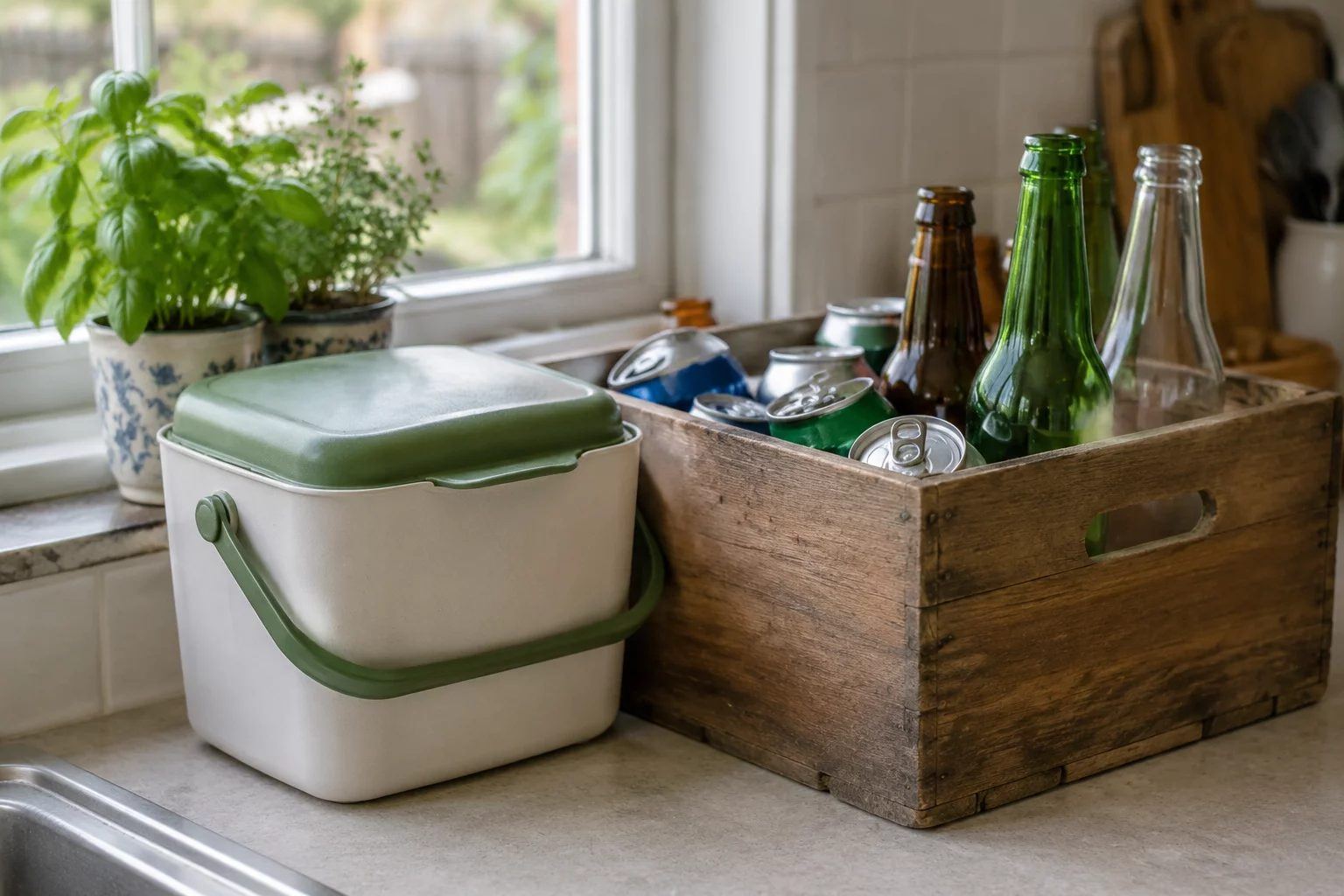
Every state and territory in Australia now has a container deposit scheme that refunds eligible drink containers. South Australia began in 1977, the Northern Territory in 2012, New South Wales in 2017, the ACT in June 2018, Queensland in November 2018, Western Australia in October 2020, Victoria on 1 November 2023 and Tasmania on 1 May 2025. Most aluminium, glass, plastic and carton containers from 150 mL to 3 L qualify.
The newer schemes show how quickly habits form. Victoria's scheme passed one billion containers returned in its first year and has about 650 refund points, while Tasmania's scheme opened statewide on 1 May 2025 with 49 refund points and saw over one million containers returned in the first four days. The schemes are funded by beverage companies under extended producer responsibility.
Plastic bans and food scraps complete the picture. NSW banned lightweight plastic bags from 1 June 2022 and later single-use items such as straws, cutlery and foam foodware; Queensland's ban started on 1 September 2021 and Victoria's in February 2023. In NSW every council must offer households with a general red-lid bin a food and garden organics (FOGO) service by 1 July 2030, with weekly food collection.
Good to know
- Look up your state's refund points and the 150 mL to 3 L rule on the scheme's own website before a big clear-out.
- Use the national Recycling Near You search to see what your council takes at the kerb.
- Plan a weekly meal list and check the fridge before shopping; the national target is to halve food waste by 2030.
Parcels at the door: online shopping becomes routine
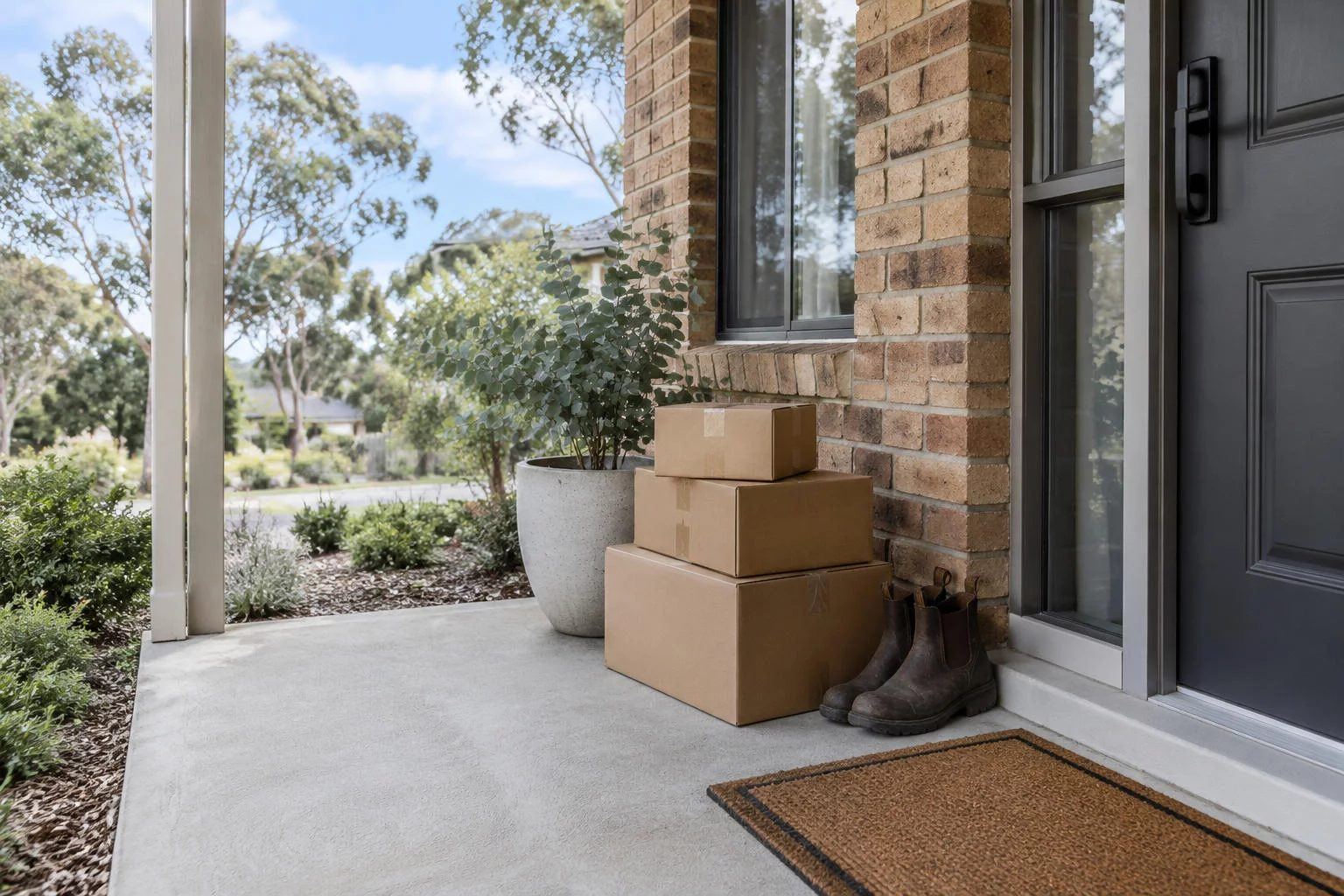
In 2025, 82% of Australian households, or 9.8 million, shopped online, and 41% of them did so at least fortnightly. Online made up 24% of all retail spending that year, so most buying still happens in shops. The change is steady rather than sudden: it stepped up from 2020 and reached a record in 2025. For many households the routine now includes a tracking e-mail, a parcel left at the front door and a return label in the bag.
Habits differ by age. 47% of millennials buy online once a week or more, against 35% of all shoppers. The most popular online categories are online marketplaces, consumer electronics, food and liquor, fashion and apparel, and home and garden. Because the figures are national, the habit shows up in every state; delivery times can still differ with distance.
81% of online shoppers compare deals before buying, so comparing delivery times and return policies has become a normal step too. Orders pile up quickly in a busy household, and a little organisation at the start, before the parcel arrives, saves most of the trouble that follows when something has to go back.
Good to know
- Compare delivery times and return policies before you buy, not after the parcel arrives.
- Keep order confirmations until the parcel has arrived and you have checked what is inside.
- Use one e-mail address for order confirmations so receipts and tracking links stay in one inbox.
Streaming, gaming and always-on connections reshape the lounge room
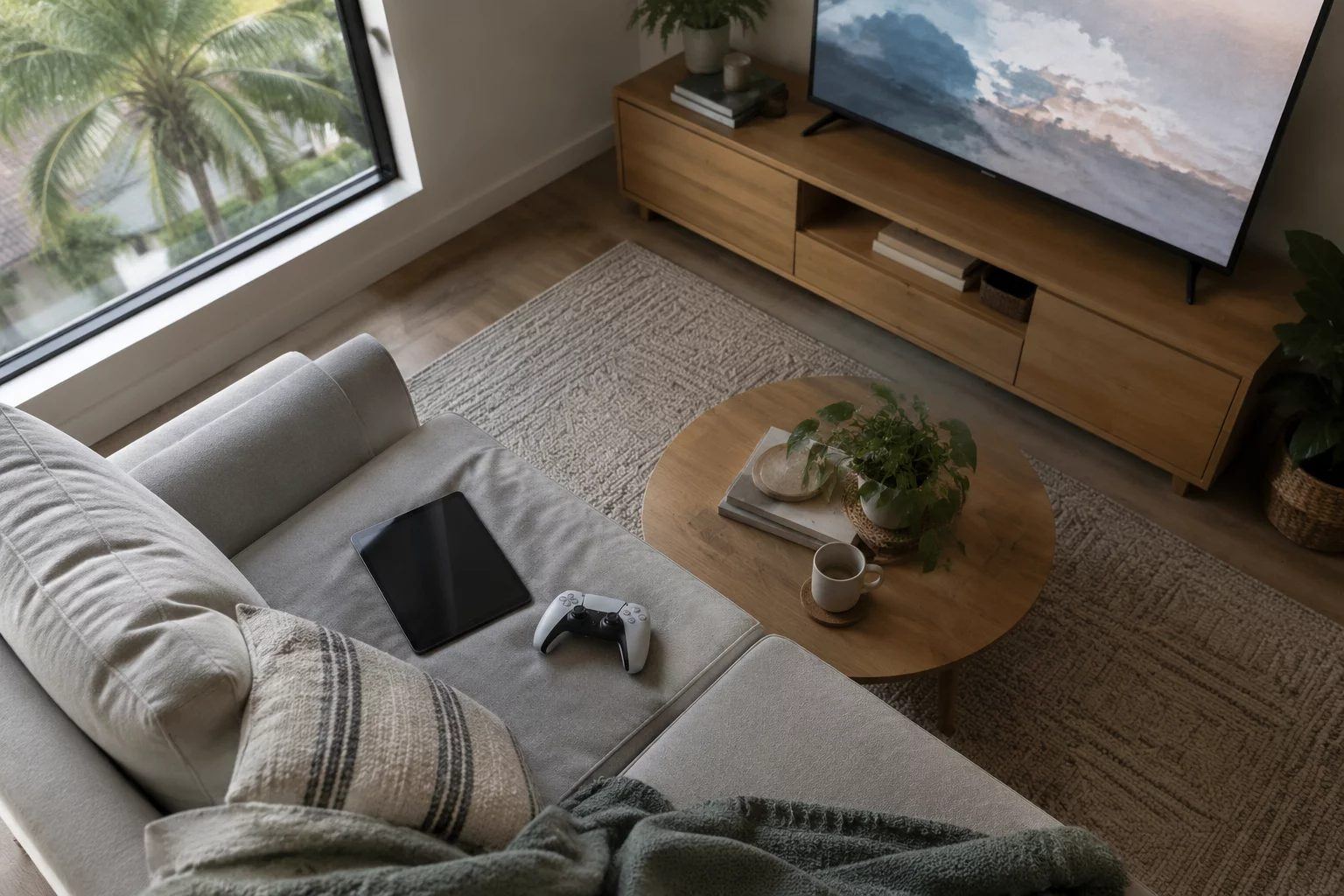
In 2025, 68% of adults used paid subscription streaming services, up from 29% in 2017, although use levelled off after years of growth. Viewing has moved online more broadly: 91% of adults used an online service to watch video in a given week in 2025. The television is still on in the lounge room, but what plays on it is increasingly chosen from a menu rather than a channel guide.
The phone has become the main way to get online. Internet access among adults was 99.7% in 2025, 97% went online through a mobile phone (95% in 2024) and 92% used mobile internet daily, while only 12% of adults used a landline, down from 15% in 2024 and 54% in 2017. Gaming sits alongside: a 2023 study found that 81% of Australians play video games, 94% of households have a gaming device and almost half of players are women.
The network underneath is changing too. By December 2025 more than 1 million customers once served by copper-based technology had upgraded to full fibre on the NBN, and the Fibre Connect program had made more than 10 million premises, 90% of the fixed-line network, eligible for near-gigabit and multi-gigabit speeds. In regional areas, fixed wireless coverage grew from 220,000 to 345,000 square kilometres.
Good to know
- Use the NBN address checker to see which technology reaches your home and whether you can upgrade to full fibre.
- From July 2026 about 600,000 homes on fibre-to-the-curb become eligible for a full-fibre upgrade without ordering a high-speed tier.
- Review your streaming subscriptions every few months and cancel the ones nobody watches.
Everyday sport: walking, the gym, pickleball and parkrun
People aged 15 and over take part in sport mostly in ordinary ways. The most popular activities in the 2024-25 AusPlay survey were recreational walking, fitness and gym sessions, bush walking, running or jogging and swimming. Walking is also the most common form of active travel: 81% of Australians walk, with a median of 3 hours a week, although weekly walking has fallen since 2023.
Newer social sports are gaining ground. Pickleball and padel, pilates, fishing, golf and tennis are among the fastest-growing activities in AusPlay 2024-25, while walking and the gym remain far more popular. AusPlay doubled its annual sample from 20,000 to 40,000 people when its new method began in July 2023, so recent figures come from a much larger group of people.
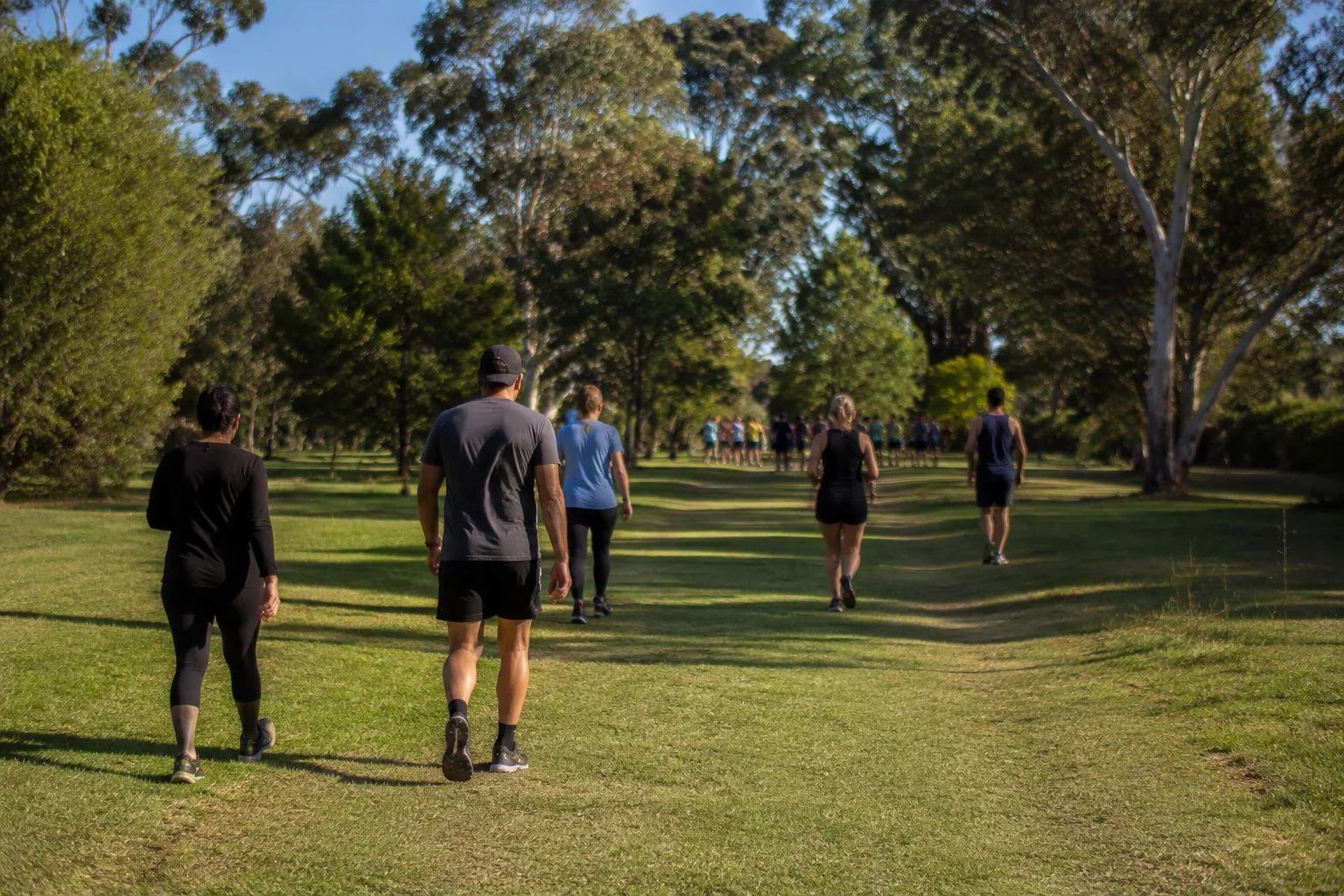
parkrun began in Australia in 2011, with 115 people at the first event, and reached 481 locations by January 2024, around the time of its millionth participant. More than 150,000 people have volunteered at Australian parkruns, over half of participants are women and girls, and walking the course is welcome. Cycling shows a different pattern: about 15% of people cycled in the past week in 2023, including e-bikes, against 18.2% in 2021.
Good to know
- Try a local parkrun, where walking the course is welcome, or visit your council's courts and pools.
- Check AusPlay on the Sport Australia site to see which activities are popular near you.
- Pickleball is one of several fast-growing activities, so look for a local social session rather than assuming it is the only one.
AI tools move into daily routines faster than the training
AI tools moved from novelty to routine between 2023 and 2025. In a 2025 survey, 50% of Australians said they use AI regularly, but only 36% said they are willing to trust it and 78% said they are concerned about negative outcomes. The survey covered 48,340 people in 47 countries between November 2024 and January 2025, so the Australian results can be set against a global picture.
Skills lag behind use. Only 24% of Australians have had any AI training or education, against 39% globally, and over 60% report low AI knowledge. The trend reaches workers, students and households alike, so the gap between using a tool and understanding it is a shared one rather than a problem of one age group or one industry.
Views on rules are firm: 77% agree AI regulation is necessary, while only 30% think current laws and safeguards are adequate. For readers the practical habits are modest and old-fashioned: know what a tool does with what you type, keep personal details out of it unless you have read its privacy settings, and treat its answers as a draft to check.
Good to know
- Check the privacy settings in any AI tool before you enter personal or work information.
- Verify important answers with a reliable source, for example an official website, before acting on them.
- Ask your workplace or school whether AI training is offered; only 24% of Australians have had any.
How we got here: six dates that shaped these changes
Six dated moments from the ten chapters show how rules and habits shifted, in the order they happened and each with the year its source gives.
- 1977South Australia began its container deposit scheme; by May 2025 every state and territory had one.
- 2011The first Australian parkrun, a free weekly 5 km event, drew 115 people.
- 2021On Census night, 2.5 million employed people worked from home, up from 500,000 at the 2016 Census.
- 2022A new rail line to Perth Airport opened on 9 October, with stations at Redcliffe, Airport Central and High Wycombe.
- 2025The Cheaper Home Batteries Program started on 1 July and works through the Small-scale Renewable Energy Scheme.
- 2026About 600,000 homes on fibre-to-the-curb became eligible for a full-fibre upgrade from July.
Which of these changes have you noticed most in your own week?
Tap the change you have noticed most. Your answer stays on this page: only you see it, and nothing is sent or saved.
Thank you for choosing. Your answer stays on this page, and nothing is sent or saved.
Questions readers ask
Short answers to questions that readers ask about the ten chapters, using the dated figures above.
Do I have a legal right to work from home?
There is no general legal right to work from home. Employees with 12 months' service who are, for example, a parent or carer of a school-age or younger child, have a disability or are 55 or older can ask for a change in writing; the employer must reply in writing within 21 days and may refuse only on reasonable business grounds.
How many homes have solar?
As at 31 August 2026 there were about 4.53 million small-scale solar systems on homes and small businesses. That is a count of systems, not of households, so it should not be read as the share of homes with solar.
Does the new vehicle standard ban petrol cars?
No. The standard works on each supplier's average CO2 result across the vehicles it sells, so petrol and diesel cars, utes and SUVs all remain on sale, and the targets tighten year by year.
When does the Melbourne Metro Tunnel run in full?
The tunnel opened on 30 November 2025, and the full timetable, with Cranbourne, Pakenham and Sunbury line trains running through it, began on 1 February 2026.
Where can I return drink containers?
Every state and territory has a container deposit scheme. Your state's scheme site shows the nearest refund point, and containers from 150 mL to 3 L generally qualify.
Will my council give me a food-scrap bin?
That depends on the state: NSW has a legal deadline of 1 July 2030, while other states vary, so ask your council what is planned. Australian households throw out about 2.5 million tonnes of food a year, over 4 kg per household per week.
Is online shopping replacing shops?
Not yet. Online shopping made up 24% of all retail spending in 2025, and 82% of households shopped online that year, so most spending still happens in shops.
Can my home get a full-fibre connection?
The NBN is upgrading many copper-connected homes to full fibre, and whether yours is eligible depends on your address. The NBN address checker shows the technology at your door and any upgrade on offer.
Is pickleball the fastest-growing sport?
AusPlay names pickleball and padel as one of several fast-growing activities rather than the only one, and walking and the gym remain far more popular.
Do most Australians use AI tools?
About half say they do, but only about a third say they trust it; the same 2025 survey found that only 24% have had any AI training.

Daniel covers work, energy and transport and writes the chapters of this special from published statistics and official rules. Before each edit he checks every figure against its source year and removes any number he cannot date.
Was this special useful?
Tap a star to rate this article from 1 to 5.
Thank you for rating this special.